Shopping Cart
Immediate availability

Châteauneuf-du-Pape wine is one of the most prestigious appellations in the southern Rhône Valley, known for producing powerful and complex wines that reflect both tradition and terroir. The name means “new castle of the Pope” and dates back to the 14th century, when the papal court moved to Avignon. The surrounding area became a viticultural stronghold, and today Châteauneuf-du-Pape is synonymous with world-class red and white wines.
The region is home to a fascinating mosaic of soils—galets roulés (round pebbles), clay, limestone, sand, and safres (compressed sandstone). Combined with a hot, dry Mediterranean climate and strict winemaking traditions, these soils create wines of great depth, elegance, and longevity.
A common question among wine lovers is: what grapes are in Châteauneuf-du-Pape? The AOC allows up to 13 different grape varieties, both red and white. In red wines, Grenache is the dominant grape, often blended with Syrah, Mourvèdre, Cinsault, and others. White Châteauneuf-du-Pape wines are rarer and often include Clairette, Roussanne, Bourboulenc, and Grenache Blanc.
This diversity gives the wines a broad range of profiles, from rich and structured Châteauneuf-du-Pape red wines to white wines that are fresh, floral, and sometimes beautifully mineral.
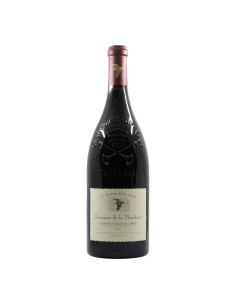
Red Châteauneuf-du-Pape is full-bodied, with smooth tannins, ripe red fruit, Provencal herbs, spices, and a generous mouthfeel. These wines are enjoyable when young, thanks to their vibrant fruit, but they also age exceptionally well—8 to 15 years, and longer in top vintages.
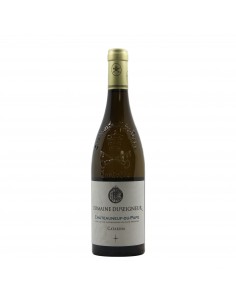
White Châteauneuf-du-Pape, while produced in smaller quantities, is increasingly appreciated for its textural complexity and freshness. Expect aromas of white flowers, citrus zest, stone fruits, and hints of almond or honey, especially in wines aged on lees or in oak. These whites can be enjoyed young or cellared for 5–7 years or more.
Wondering how to serve Châteauneuf-du-Pape? Red versions are best enjoyed at 16–18°C (60–64°F) in a large Bordeaux-style glass to allow the wine to open up fully. They pair beautifully with roasted meats, game dishes, hearty stews, and aged cheeses.
White Châteauneuf-du-Pape should be served slightly chilled, at 10–13°C (50–55°F) in a universal or wide white wine glass. Perfect with grilled fish, white meats, soft cheeses, or Mediterranean vegetable dishes.
Whether you’re discovering the appellation for the first time or seeking rare cuvées from historic producers, Châteauneuf-du-Pape offers a rich tasting experience rooted in centuries of tradition.